{:en}
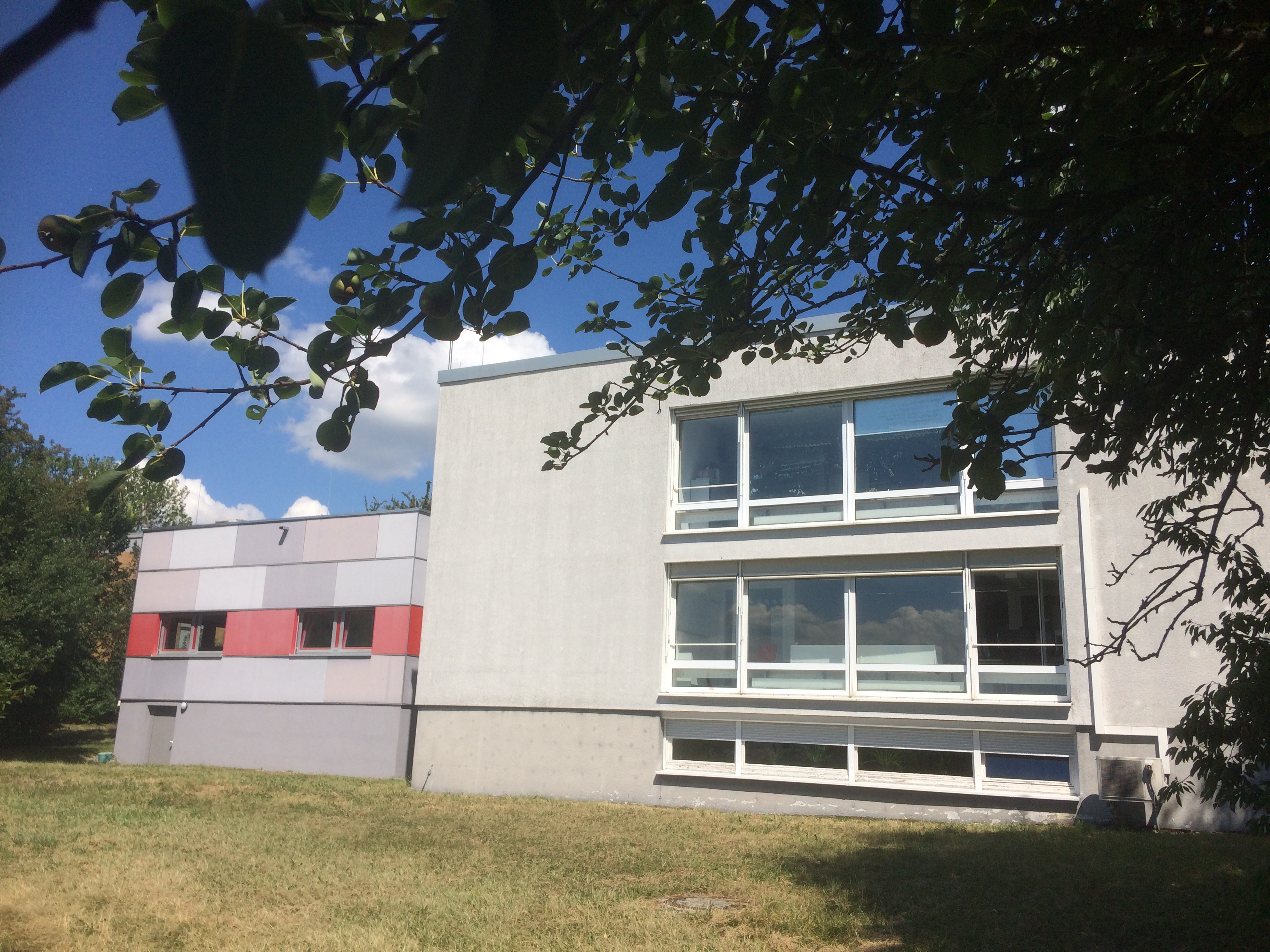
Our group at the Institute for Diabetes Research and Metabolic Disease/fMEG center investigates diverse topics that converge on fetal development, from insulin signaling to consciousness. See a list of our project in the sidebar 👉
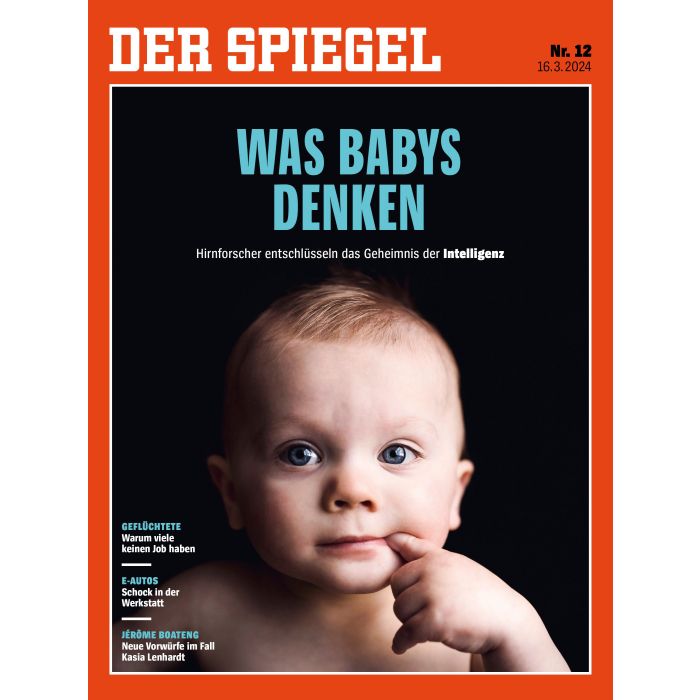
Our work featured in the media


Conference talks presenting our work
Watch Prof. Hubert Preissl and Dr. Joel Frohlich present their research at “The Mind from Cradle to Grave,” at a meeting of the Swedish Society of Medicine in Stockholm, Sweden.
Watch Dr. Joel Frohlich deliver a keynote presentation at the 2024 Models of Consciousness Conference in Bamberg, Germany
In 2023, we organized a symposium on infant and fetal consciousness at the PuG conference (Psychologie und Gehirn) here in Tuebingen. Watch Part 1 below, featuring talks by Prof. Hubert Preissl and Dr. Katrin Sippel.
Watch Part 2 below, featuring talks by Prof. Pedro Mediano from Imperial College London and Dr. Joel Frohlich. (Note: Prof. Asger Kirkeby-Hinrup also participated in this symposium, but his talk isn’t on Youtube yet due to technical difficulties)
https://youtu.be/USLdy9R_Mn8?feature=shared{:}{:de}
Unsere Gruppe am Institut für Diabetesforschung und metabolische Erkrankungen untersucht die Kommunikation wischen Gehirn und den Organen. Im Speziellen wird die Insulinsignalisierung im Gehirn von Feten bis hin zu älteren Menschen untersucht. Wir benutzen dazu verschiedene bildgebende Verfahren (fMRI, fMEG and fNIRS) um die neurobiologischen Mechanismen von Übergewicht und Diabetes sowie die fetale Entwicklung im Kontext des mütterlichen Metabolismus zu untersuchen. Kognitive Funktionen werden untersucht durch Ereignisskorrelierte Potentiale (EKP) in Feten und Lebensmittelwahlaufgaben bei Erwachsenen.
{:}